Games & apps · Quito
pablin.me is a one-person studio making games and apps for Apple devices, one at a time.
Hola PDF, in the browser
holapdf.app does the PDF work on any computer, with nothing to install: merge, split, organize, sign, fill in forms, compress, and turn images into PDFs and back. Hola PDF Pro on the web, US$20 once, adds redaction, editing text, comparing versions, OCR and passwords.
Sharp, in the browser
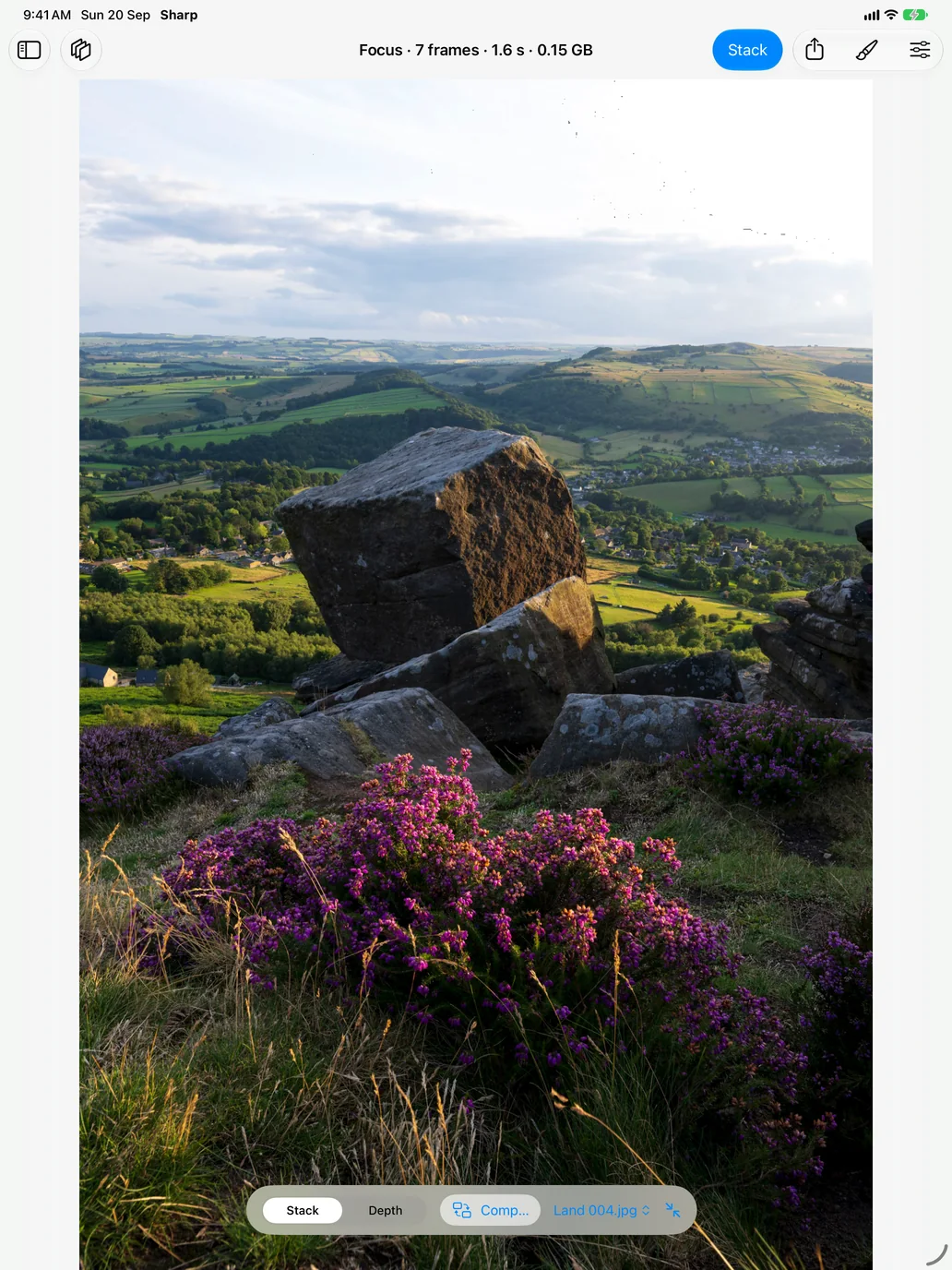
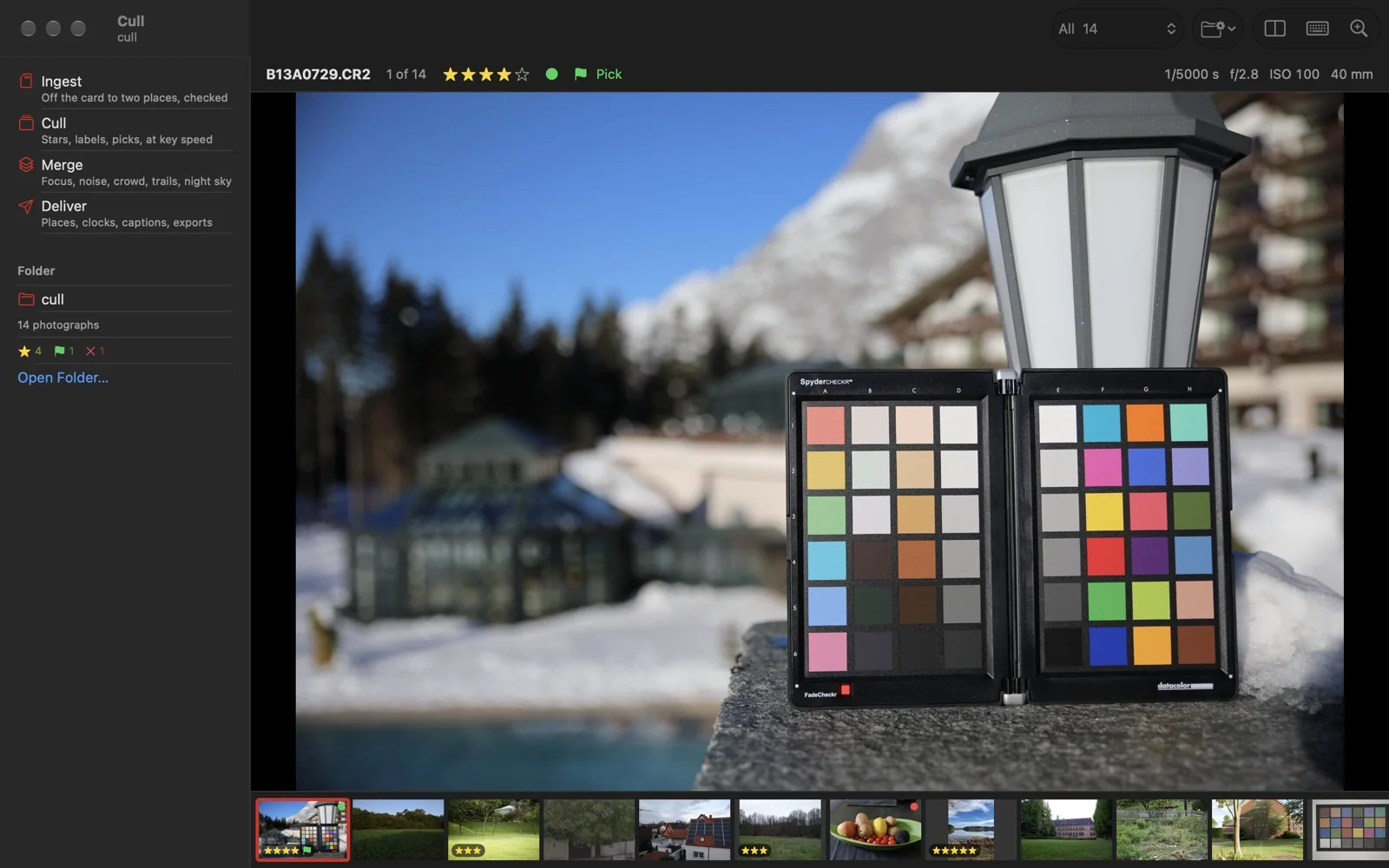
sharpmerge.com puts several shots of the same scene together into one, on any computer, with nothing to install: focus stacks sharp from front to back, bursts averaged clean, passers-by taken out, star trails kept, exposure brackets blended, panoramas stitched, and the sharpest shot of a burst picked — from photos, RAW files or a video's frames. Sharp Pro for the web, US$10 once, lifts the 12-frame limit, adds the retouch brush and 16-bit TIFFs, and has tools of its own: a long exposure from a burst, a motion sequence, a night sky over a sharp landscape, super-resolution, a time-slice from day into night, and cinemagraphs.
Mathematics and physics, on the web
Twenty courses in the browser, from geometry and calculus to complex analysis. Every lesson has a lab beside it: drag a point, slide a parameter, predict what happens, then check. Answers are graded as mathematics, and practice comes back when it is due.
Shaders, a playground and a Mac app
A new Metal shader in every episode. A short video on its page builds it from nothing, beside the full source, every parameter explained, and the sound it makes, which the shader generates too.
The playground runs every episode in the browser to change and share, with exercises that ask you to rebuild each stage by eye; the gallery keeps what people make. The free Mac app turns a shader into a video, a still or a loop, and runs SwiftUI's shader effects ready for Xcode. Ray Kiln Plus, US$10 once, adds ProRes and transparent video, a live wallpaper and screen saver, sound and MIDI, keyframes, your own camera and pictures as inputs, and a performance mode for a screen on stage.
What we won't trade away
Three commitments every project here is built on — decided before a single feature, not adjusted for one.
We draw interfaces from actual shapes and native components, not pictures of them. If it's on screen, it's the same geometry the code collides against.
We write Swift, SwiftUI, and Apple's own frameworks end to end. No cross-platform runtime stands between an app and the OS it ships on.
We treat a third-party package as a liability until it proves otherwise — one more thing a user trusts with their data without ever agreeing to it.
Longer technical write-ups, grouped by topic.
Depth & Light continued: Rake rebuilt from what survived of it, and the tools added to it — fog, dehaze and refocus by depth, a grade by distance, weather, window light, and a photograph that moves.
1 posts · Swift · MetalHow Sharp 1.2 was built and measured: the first runs on a real iPad, rotation in the aligner, choosing the detail size by eye, exposure blending, stacking in slabs, and retouches that can be reopened.
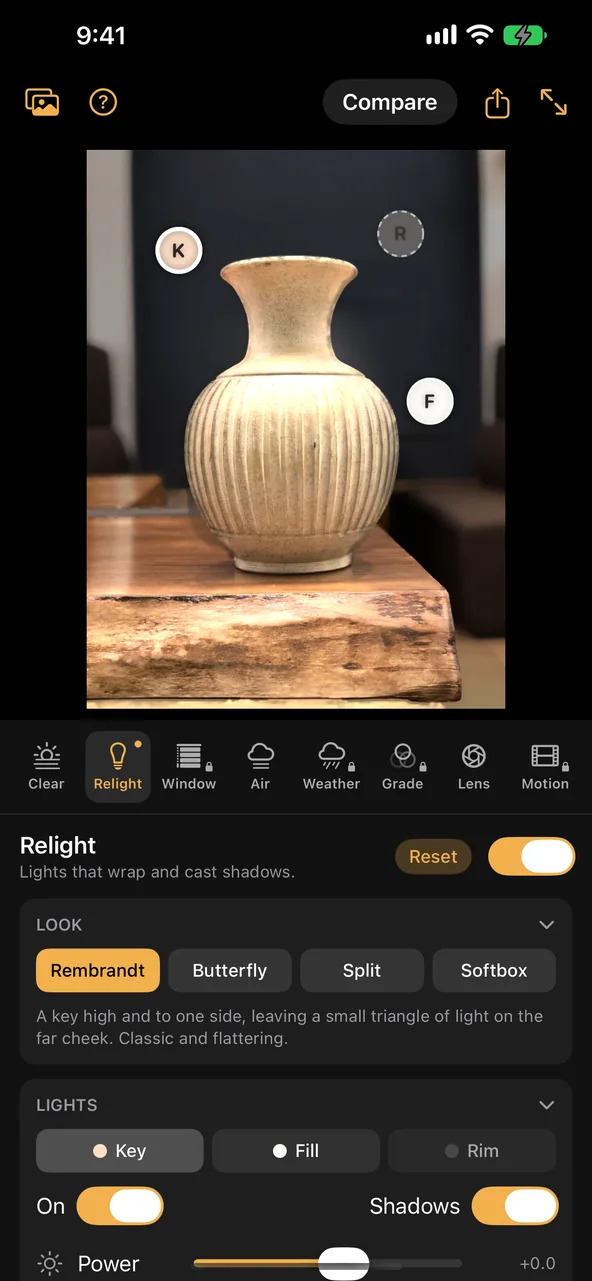
6 posts · SwiftHow relighting a photograph works: the depth a Portrait photo carries, turning it into surfaces, and lighting them with three lights that cast real shadows.
7 posts · Photography & renderingFive small C# programs from 2019 on making threads work together: signals, a parallel search, matrix products, a producer and its consumers, and prioritised groups.
5 posts · C#OpenCL and OpenMP from a first kernel to an LU decomposition, then the same decomposition with SSE intrinsics, each version timed.
7 posts · OpenCL · OpenMPTwelve C# and Windows Forms programs from 2020: random events, Poisson and Wiener processes, Markov chains, the chi-square test and a bank simulated event by event.
12 posts · C#The person behind it
A software engineer based in Quito, Ecuador, working mostly in Swift and C#. pablin.me is where that work ships. Outside of it: books, music, and more podcasts than is reasonable.